
Transforming Indian Agriculture: A Vital Necessity
With rising population, shrinking land, and climate pressures, transforming Indian agriculture is vital. A sustainable, collaborative approach—uniting government, industry, farmers, and society—can boost productivity, ensure food security, and secure farmers’ incomes for a resilient future.
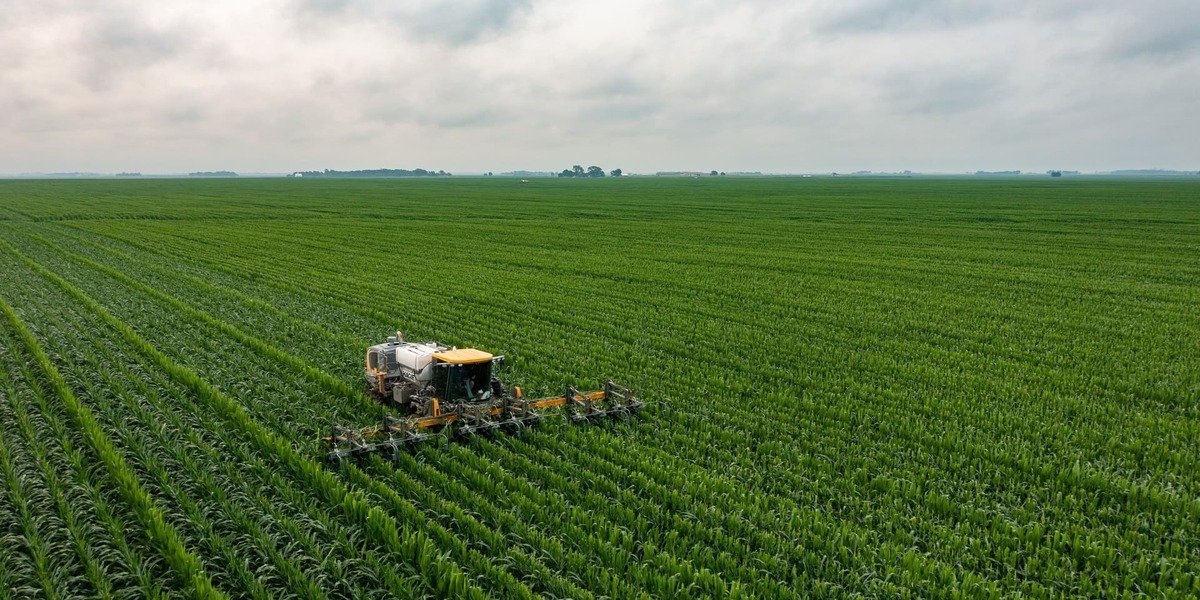
Agriculture is the key driver of growth therefore; sustainable agriculture needs a collaborative approach-:
It is indispensable to scale up the production of agriculture. As per the UN's Report by 2050, the world will have 10 billion people with India accounting for 1.73 billion while the population is increasing, arable land is decreasing and farmers are grappling with limited natural resources and climate change.
To ensure safe, affordable & enough food and overcome farmer's challenges around low productivity & income, it is critical to transforming agriculture. There is a need to enable farmers to earn sustainable farm incomes and be globally comparative, creating a transforming agriculture policy, a road map requires a collaborative approach between the Govt, Industry, Farmers & Society.
Crop focused on Rice, Wheat, Maize, Horticulture, Animal Husbandry & Fisheries with end-to-end visibility of crop competitiveness both in the country & globally.
The key points for attention are:
- Small & Marginal Farmers
- The Landless Laborers
- Tortuous Laws
- Liberal Mindset
- Divisive Environments
- Lack of Quality Infrastructure
- Unskilled Human Resources.
The farming community is confronted with a knowledge deficit & infrastructure deficit, especially in rural areas. Problems relate to irregular infrastructure, Market & Transport infrastructure, and their significant cost to…
Create an account to continue reading
Create AccountAlready have an account? Sign in
Need an expert in this space?
Talk to an Industry Expert
Knowledge Ridge connects decision-makers with carefully vetted subject matter experts for one-on-one calls, research sprints, and advisory engagements — across 11 sectors and 163 sub-industries globally.
Comments
No comments yet. Be the first to comment!