
Frugal Innovation for Sustainable Progress
This article urges a shift to frugal innovation and circular economies, using examples like green cement and Tata Indica, to ensure sustainable growth while preserving resources for future generations.
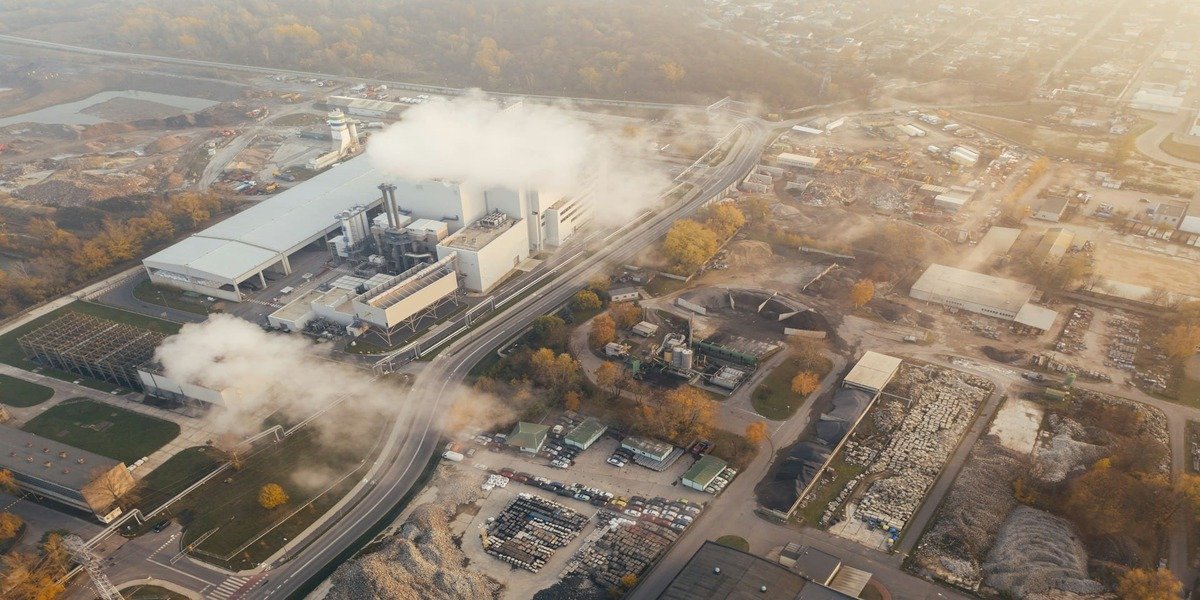
According to research, if we compare the earth’s history to a calendar year, modern human life has existed for 37 minutes, and we have used one-third of the earth’s natural resources in the last 0.2 seconds.
The world's population today is 8.1 billion, and if humanity is to exist, it needs to use the earth’s resources. However, the rate of resource depletion is a matter of concern; if this continues at this pace, no resources will be left. Earth will exist, given its strong resilience, but humanity will not.
Today, mindless consumption and the use-and-throw mindset have led to the need for 1.8 Earths to support 1 Earth. In 2023, Earth Overshoot Day landed on August 2. Earth Overshoot Day is when humanity’s demand for ecological resources and services each year exceeds what earth can regenerate in that year. So, we are now borrowing resources from the future.
In his book ‘Man and Nature: The Spiritual Crisis in Modern Man’ (1958), Prof. Seyyed Hossein Nasr argued that Man and Nature need to coexist out of mutual respect. The idea that man can dominate nature by leveraging technology is flawed, as earth’s resources are not limitless. Clean technology and green fuel…
Create an account to continue reading
Create AccountAlready have an account? Sign in
Need an expert in this space?
Talk to an Industry Expert
Knowledge Ridge connects decision-makers with carefully vetted subject matter experts for one-on-one calls, research sprints, and advisory engagements — across 11 sectors and 163 sub-industries globally.
Comments
No comments yet. Be the first to comment!