
Shaping the Future of Industrial Safety
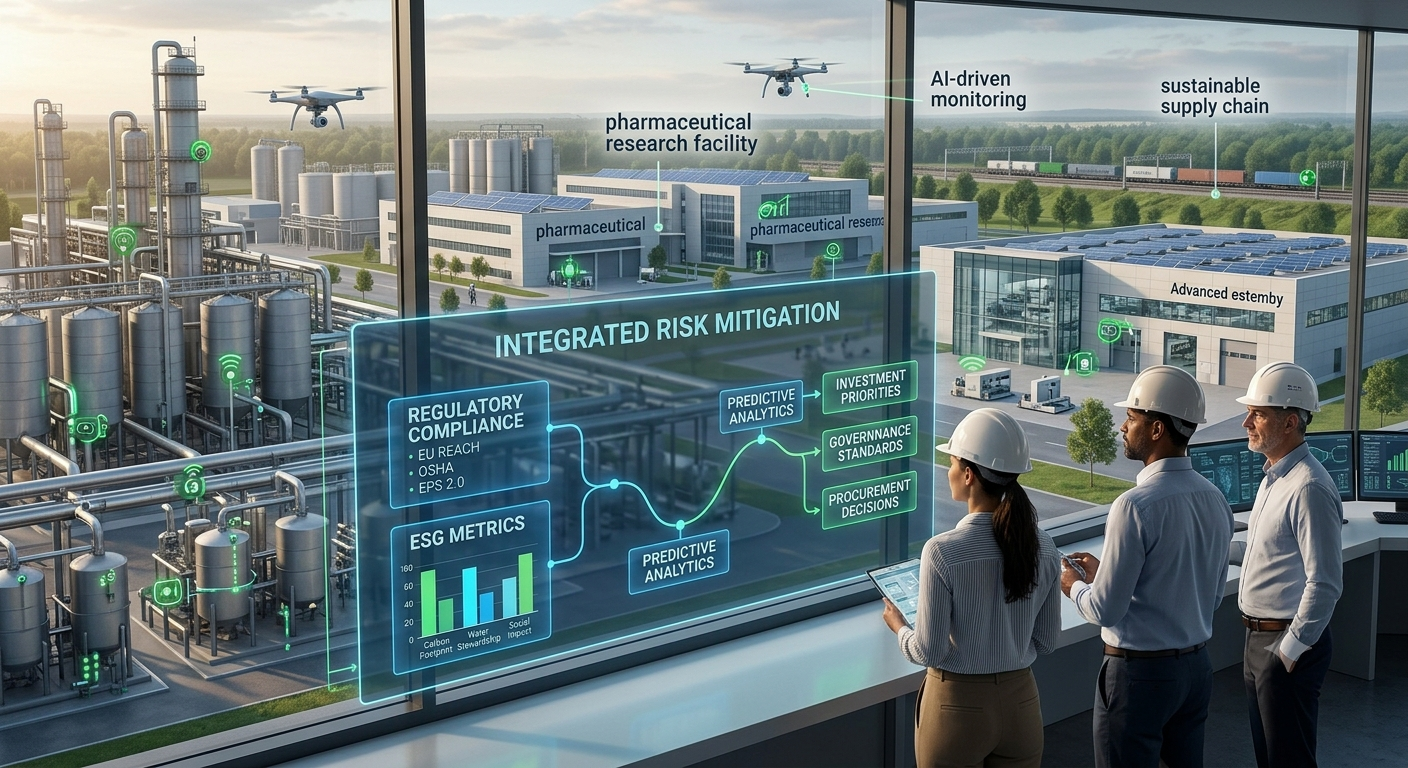
Industrial risk management is undergoing a structural transformation as stricter ESG and safety regulations, AI-driven monitoring, and predictive analytics reshape investment priorities, procurement decisions, and governance standards across manufacturing, chemical, and pharmaceutical industries.
Q1. Could you start by giving us a brief overview of your professional background, particularly focusing on your expertise in the industry?
With over 36 years of leadership, I have dedicated my career to industrial safety, enterprise risk management, regulatory compliance, and governance within the pharmaceutical, chemical, engineering, and infrastructure industries. I’ve held leadership roles at Zydus Life Sciences, Tata Chemicals, Birla VXL, and now serve as a Senior Safety Consultant for major infrastructure projects.
My experience goes well beyond meeting statutory requirements. Over the years, I’ve worked hands-on with DuPont Safety Management Systems, Behaviour-Based Safety, HAZOP, Process Safety Management, Emergency Preparedness, ESG integration, contractor safety, and audit assurance. For me, safety isn’t just another operational task—it’s a core governance responsibility that safeguards people, ensures business continuity, protects reputation, and upholds shareholder value.
As I work toward becoming an Independent Director, my goal is to help boards take a proactive approach—strengthening oversight, staying ahead of emerging risks, and building organisational resilience. I’m committed to fostering long-term, sustainable value by championing ethical leadership and strong governance.
Q2. What structural shifts are redefining industrial risk management across manufacturing, chemical, and pharmaceutical sectors today?
Industrial risk management is no longer just about reacting…
Create an account to continue reading
Create AccountAlready have an account? Sign in
Need an expert in this space?
Talk to an Industry Expert
Knowledge Ridge connects decision-makers with carefully vetted subject matter experts for one-on-one calls, research sprints, and advisory engagements — across 11 sectors and 163 sub-industries globally.
Comments
No comments yet. Be the first to comment!