
World Oil Prices After Russia-Ukraine War
As the G7 caps Russian oil prices and OPEC+ tightens supply, the global energy chessboard shifts. Oil surges, sanctions bite, and nations scramble to secure fuel amid uncertainty. Discover how geopolitics, markets, and recovery hopes collide in this energy drama.
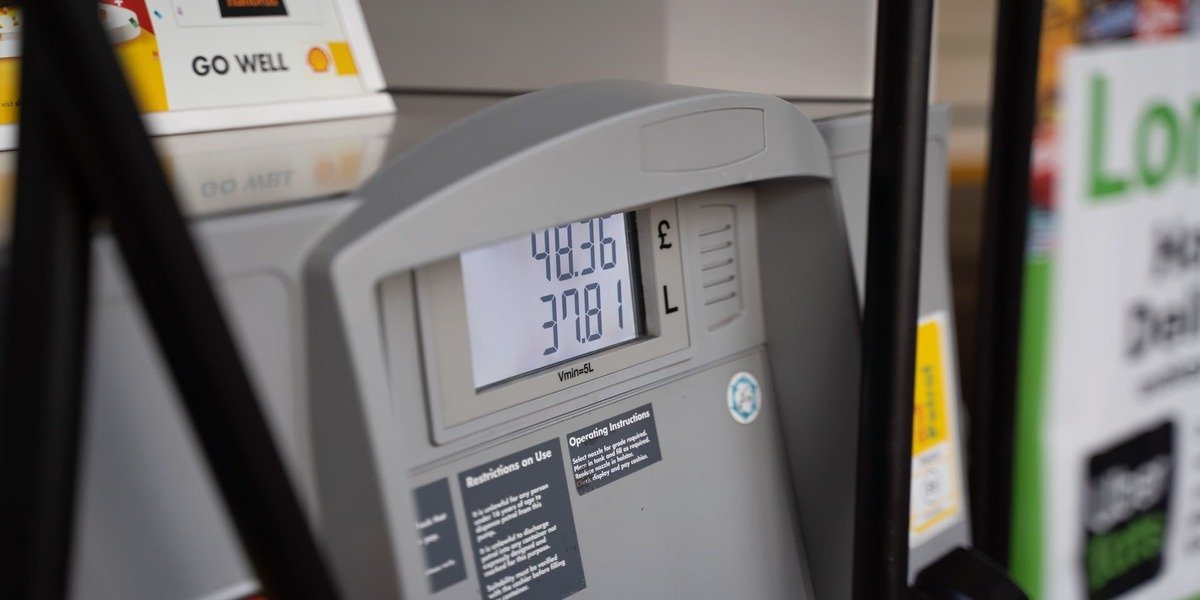
The G7 group of major economies implemented a cap on the price of Russian oil. Russia has said it will not accept the price cap and threatened to stop exporting oil.
Opec+, a group of the top oil-producing nations, announced on Sunday that it would continue to follow its strategy of cutting output to support world prices.
The 23 oil-exporting nations that make up Opec+, including Russia, frequently meet to decide how much crude oil should be sold on the international market.
According to Kang Wu of S&P Global Commodity Insights, "Opec+'s decision to maintain the quota where it is, is by itself an implicit kind of support to the oil market."
Russia will undoubtedly feel the effects of the sanctions, but the blow will be somewhat lessened by its decision to sell its oil to other markets, like India and China, which are now the two biggest consumers of Russian petroleum.
World oil prices rose to their highest level in more than a week, boosted by the easing of restrictions on Covid-19 in China and the threat from Russia to stop exporting oil. The price of Brent crude oil on Monday rose by almost 2% to $87.25, but US…
Create an account to continue reading
Create AccountAlready have an account? Sign in
Need an expert in this space?
Talk to an Industry Expert
Knowledge Ridge connects decision-makers with carefully vetted subject matter experts for one-on-one calls, research sprints, and advisory engagements — across 11 sectors and 163 sub-industries globally.
Comments
No comments yet. Be the first to comment!