
Data Integration And IoT In The Supply Chain
This article explores how real-time IoT data integration transforms supply chain management through improved visibility, efficiency, predictive analytics, and real-world use cases, enhancing decision-making and customer satisfaction.
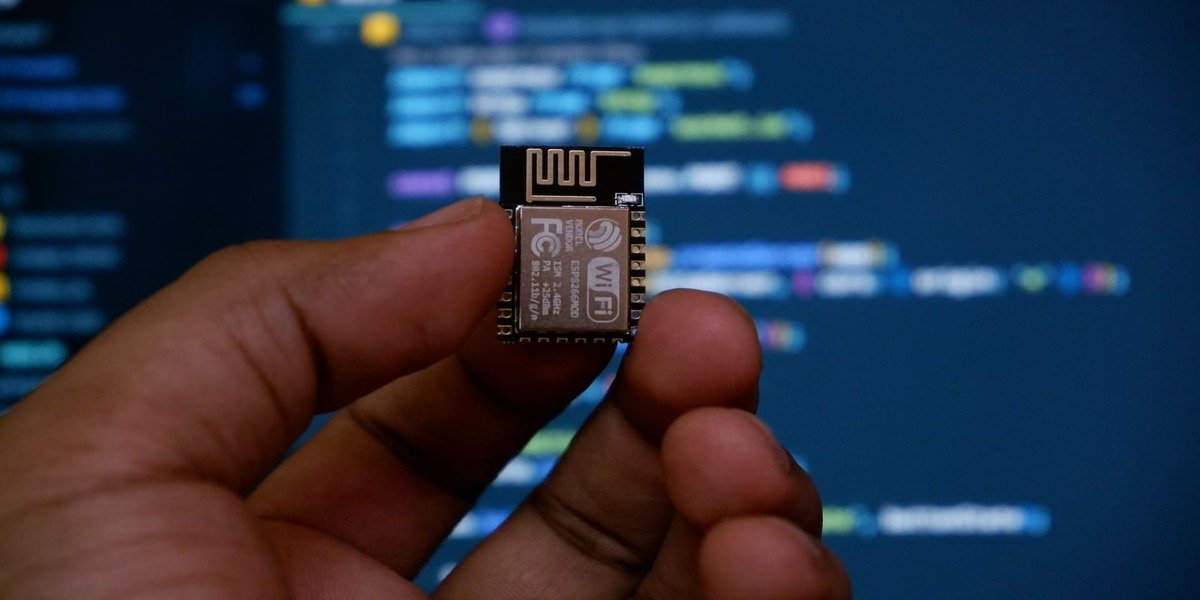
Advancements in real-time data integration in IoT (Internet of Things) environments have significantly improved many aspects of supply chain management. These advancements help companies make more informed decisions, enhance visibility, optimize operations, reduce costs, and drive new revenues.
Technologies in real-time integration, data science, and analytics are now mature, past the “Technology Hype Cycle”, and in production, as you can see in some of the use cases I have highlighted below.
If you combine this with the rapidly evolving advancements in AI, companies will start to realize benefits from predictive modeling in combination with the analytics of current and past events.
We are all aware that data is being generated exponentially:
- 328.77 million terabytes of data are created each day
- This equates to 120 zettabytes per year (1 billion terabytes or 2 to the 70th power of bytes)
- According to the IDC, there will be 41.6 billion IoT devices in the Energy Industry by 2025, generating 79.4 zettabytes of data!
- According to a McKinsey estimate, connected cars create up to 25 gigabytes of data per hour
This article is not intended to take a deep dive into the technology but to look at some key advancements and their respective use…
Create an account to continue reading
Create AccountAlready have an account? Sign in
Need an expert in this space?
Talk to an Industry Expert
Knowledge Ridge connects decision-makers with carefully vetted subject matter experts for one-on-one calls, research sprints, and advisory engagements — across 11 sectors and 163 sub-industries globally.
Comments
No comments yet. Be the first to comment!