
Role Of Electronics In The Automotive Revolution
Explore how advanced electronics drive automotive decarbonization through electric propulsion, smart connectivity, IoT, and data analytics, enabling sustainable mobility, regulatory compliance, and efficient vehicle performance.
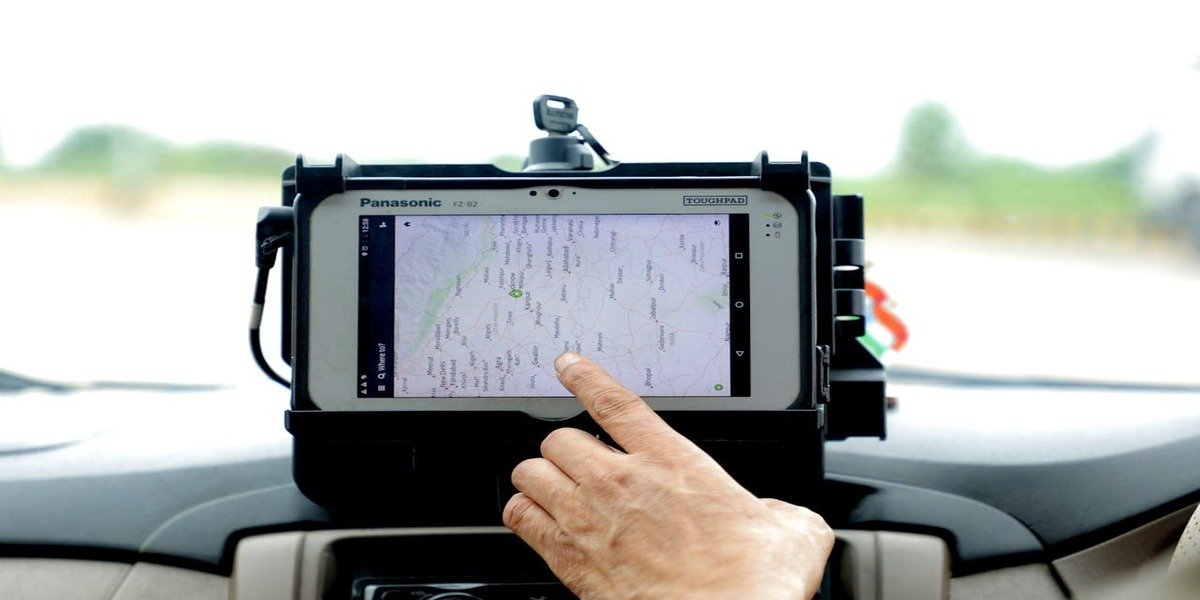
Decarbonization through the application of electronics in the automotive industry represents a pivotal shift towards sustainable mobility.
As an expert in this field, I would like to present my view of Electronic components' role in helping the automotive industry decarbonize.
It is crucial to grasp the significant benefits that advanced electronic systems bring to the automotive industry, not only in terms of environmental sustainability but also in terms of enhanced vehicle performance and efficiency.
Impact of Integrating Electronic Systems in Automotives
Reduction of Carbon Footprints
The electric component of electric vehicles stands as a beacon of decarbonization efforts. By substituting internal combustion engines with electric propulsion systems, EVs eliminate tailpipe emissions, thus drastically reducing greenhouse gas emissions over the vehicle lifecycle. Electronics play a central role in optimizing battery management, motor efficiency, and overall vehicle performance, enhancing range, and promoting energy efficiency—a crucial aspect in minimizing carbon footprints.
Fostering Smart Connectivity
Moreover, electronic advancements enable the implementation of sophisticated energy recovery systems such as regenerative braking. These technologies convert kinetic energy during braking into electrical energy, which is stored and reused, further improving vehicle efficiency and reducing reliance on fossil fuels. All of these are possible due to the advancement…
Create an account to continue reading
Create AccountAlready have an account? Sign in
Need an expert in this space?
Talk to an Industry Expert
Knowledge Ridge connects decision-makers with carefully vetted subject matter experts for one-on-one calls, research sprints, and advisory engagements — across 11 sectors and 163 sub-industries globally.
Comments
No comments yet. Be the first to comment!