
Rising Trend Toward Li-Ion Batteries In UPS Solutions
As the world moves from lead-acid to lithium, UPS systems are becoming lighter, more durable, and energy-efficient. Discover how Li-Ion batteries are redefining reliability, sustainability, and the future of backup power.
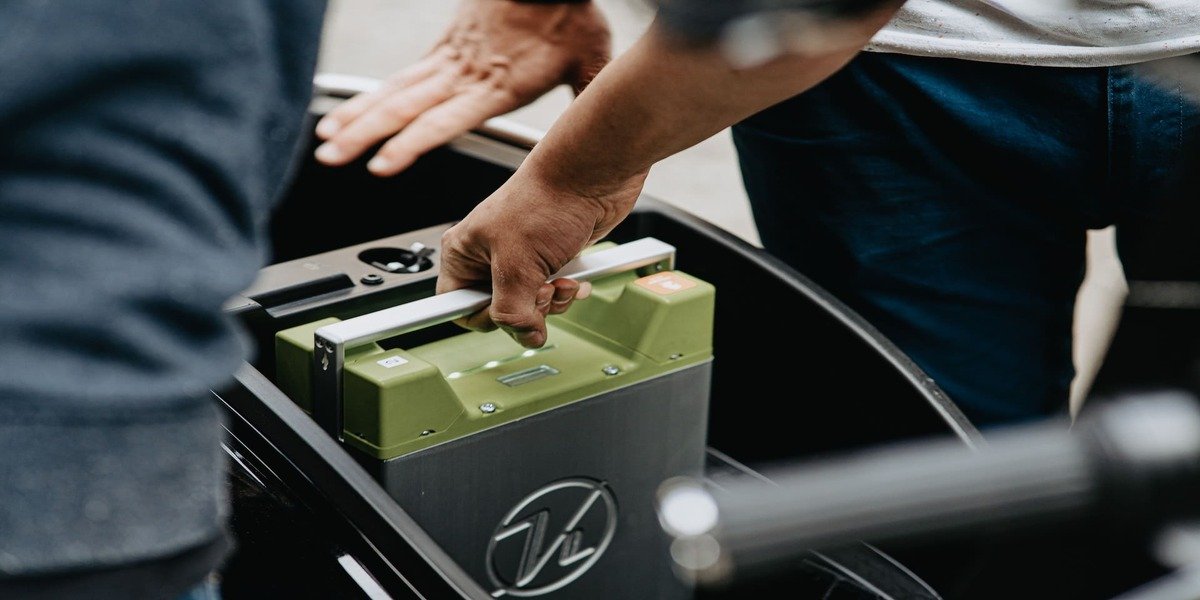
Lithium-Ion (Li-Ion) batteries are not something new. Li-Ion batteries have been used commercially for over 20 years, first appearing in commercial applications in the 1990s. More recently, Li-Ion battery cells have become a more common solution in Electric Vehicles, E-bikes, UPS’ and Energy Storage devices.
Advantages of Li-Ion Batteries
- Higher energy density
- Longer life
- Improved discharge cycles
- Better energy efficiency
- Lesser environmental impact versus the Valve-Regulated Lead-Acid (VRLA) batteries that have previously dominated these applications.
Li-Ion Batteries as an Alternative to VRLA Batteries
Looking into the differences between battery cell types, Lithium-ion batteries use a different chemical process than VRLA or “flooded” lead-acid batteries.
In a Li-Ion battery cell, the charged lithium-ion moves back and forth between the positive and negative plates through an electrolyte of lithium salt in an organic solution.
In a lead-acid battery, the negative electrode is made of porous lead to facilitate the formation and dissolution of lead, while the positive electrode consists of lead oxide.
The two electrodes are separated by a chemically permeable membrane, which helps prevent electrical shorting through the electrolyte. The electrodes are immersed in a solution of sulfuric acid and water, hence the name, Lead-Acid.
Key Reasons why Li-Ion batteries make…
Create an account to continue reading
Create AccountAlready have an account? Sign in
Need an expert in this space?
Talk to an Industry Expert
Knowledge Ridge connects decision-makers with carefully vetted subject matter experts for one-on-one calls, research sprints, and advisory engagements — across 11 sectors and 163 sub-industries globally.
Comments
No comments yet. Be the first to comment!