
Project-Based Learning: Skills for the Future
This article explores project-based learning, highlighting its student-driven, interdisciplinary approach, real-world problem solving, skill development, assessment methods, and transformative impact on modern education.
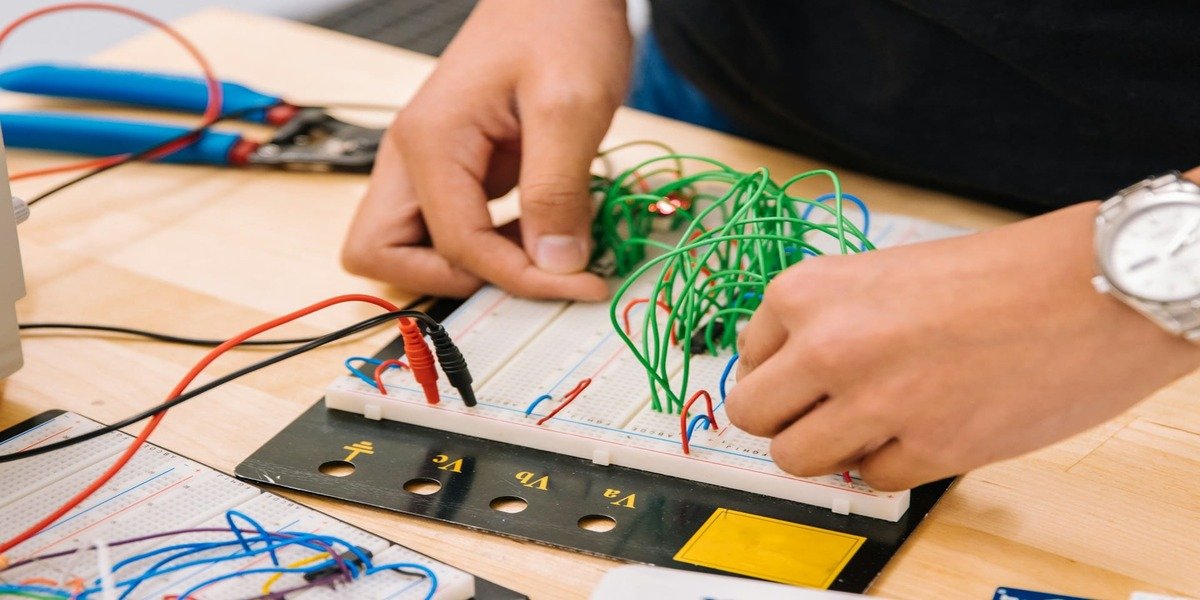
Recently, Project-Based Learning (PBL) has gained popularity in the educational community as an approach to engaging students to explore real-world problems and issues.
This approach teaches concepts and develops skills like collaboration, communication, critical thinking, and creativity. Its main idea is that students should have interdisciplinary, hands-on experiences. As educator John Dewey puts it, ‘Give the pupil something to do, not something to learn.’ When students ‘do’ things, they think and make deliberate connections, which leads to learning. This is the essence of project-based learning.
Principle of Project-Based Learning
The basic principle of project-based learning is that it is student-driven. Students actively engage in self-directed projects that are motivating. This results in meaningful learning that is applicable in real-world situations. Project-based learning also promotes all the 21st-century skills, i.e., collaboration, communication, problem-solving, critical thinking, and creativity, which are essential in today’s ever-changing world.
The structure of project-based learning may vary, but it follows certain steps:
Choosing the Project
The teacher and students brainstorm together to find a stimulating, rigorous project idea that is in keeping with the curriculum and academic goals.
Planning
Once the project is identified, the students will plan how to carry it out. This will involve creating…
Create an account to continue reading
Create AccountAlready have an account? Sign in
Need an expert in this space?
Talk to an Industry Expert
Knowledge Ridge connects decision-makers with carefully vetted subject matter experts for one-on-one calls, research sprints, and advisory engagements — across 11 sectors and 163 sub-industries globally.
Comments
No comments yet. Be the first to comment!