
Policy, Tech & Progress Redefining Indian Schools
From NEP 2020 to global standards and tech in classrooms, this article breaks down the key aspects of Indian education reform. Read the full story to know more!
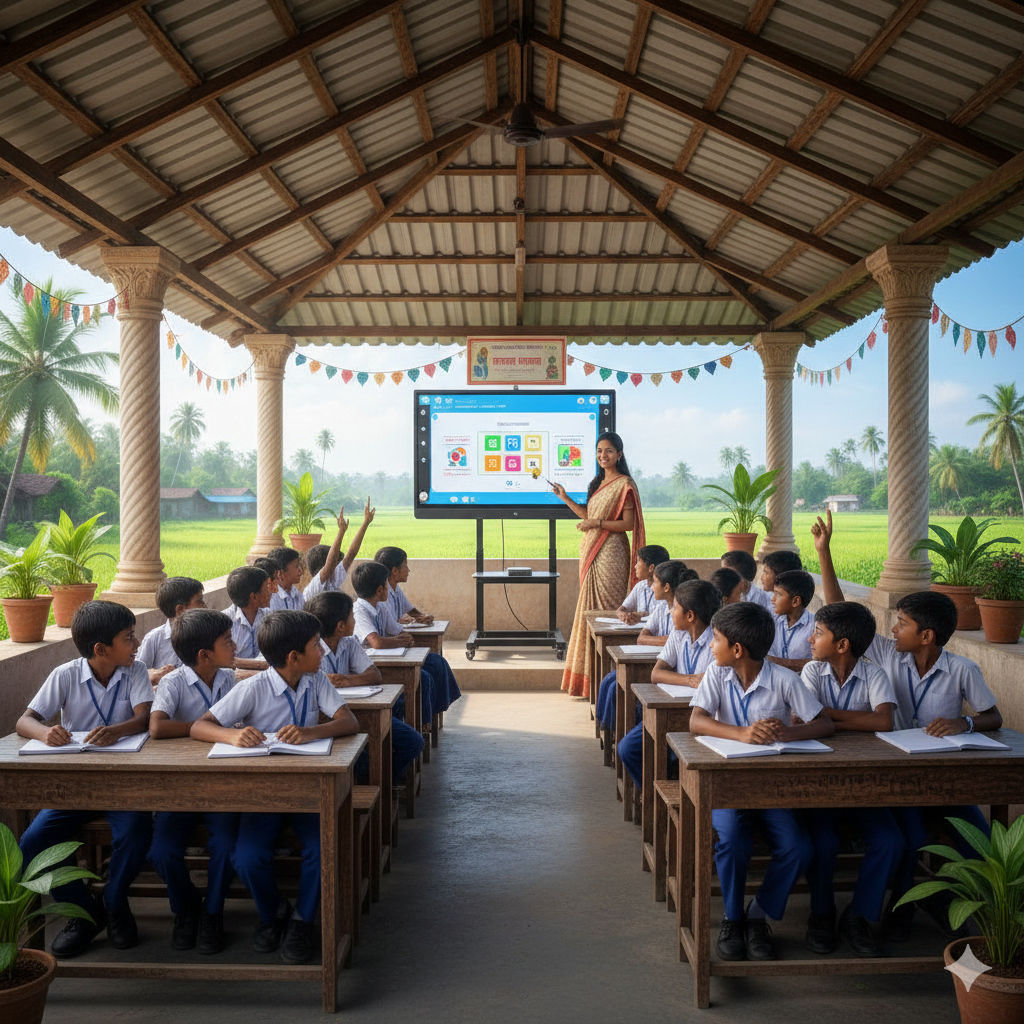
Q1. Could you start by giving us a brief overview of your professional background, particularly focusing on your expertise in the industry?
I’ve spent over four decades working in education, across both Indian and international contexts. Over the years, I’ve taken on a range of leadership roles, including Principal, School Director, IB Evaluator, and Cambridge Master Trainer, and I currently work as an Academic Consultant supporting national and international programmes.
My experience involves CBSE, ICSE, IB, and Cambridge systems, giving me a fairly holistic view of how these curricula work in practice, not just on paper. Much of my work has involved leading schools through change, whether that’s transitioning curricula, strengthening academic quality, developing leadership teams, or matching vision with classroom practice.
What has really guided my perspective is working closely with people at every level, teachers, senior leaders, boards, and the parent community. That has helped me understand where policy intentions meet classroom reality and where the gaps often lie.
Q2. From your lens as an Academic Consultant, what is the most significant policy execution gap you see in schools trying to align with NEP 2020?
From my lens as an Academic Consultant, the biggest gap in the execution…
Create an account to continue reading
Create AccountAlready have an account? Sign in
Need an expert in this space?
Talk to an Industry Expert
Knowledge Ridge connects decision-makers with carefully vetted subject matter experts for one-on-one calls, research sprints, and advisory engagements — across 11 sectors and 163 sub-industries globally.
Comments
No comments yet. Be the first to comment!