
Indian Commercial Vehicle Industry Post Covid
The Indian Commercial Vehicle industry, after a steep decline due to GST, axle load norms, and rising fuel costs, is rebounding. Growth is driven by e-commerce, infrastructure projects, scrappage policy, and emerging trends in electrification and telematics.
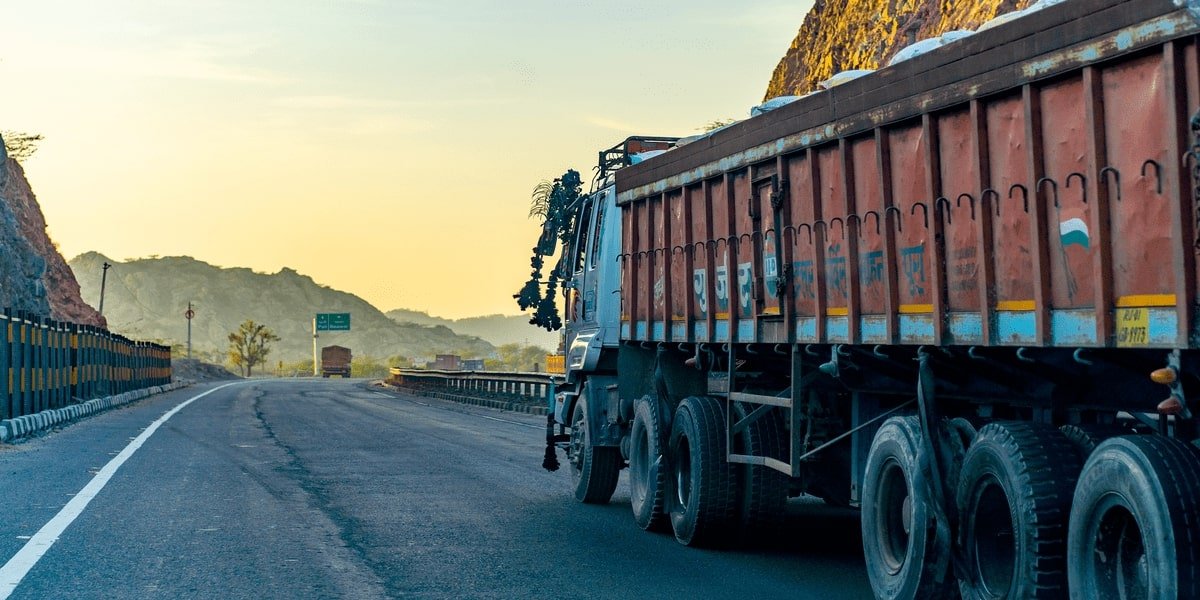
Indian Commercial Vehicle Industry Post COVID Era:
The Indian CV industry is facing some of its worst times in last 4 to 5 years. The overall CV volumes (Trucks & Buses) in F19 was 7,17,688 Units & the sales for the same for F20 was 5,23,329 units which is a dip of 25~27%.
The reasons for the same are:
- GST implementation-reducing the waiting times are octroi posts which have vanished since and higher vehicle prices
- Axle Load Norm: with around 10% overload capacity, overall fleet capacity has increased by about 20% in the market thereby reducing the demand for new vehicles
- Increasing diesel prices in Delhi from 50.22 INR per litre in July 2015 to 79.95 INR per litre as on 17th Feb 2021, while keeping the freight rates almost unchanged
- Competition from other modes of transportation like Railways (upto 110 rakes, double decker bogies and RoadRailer a bimodal vehicle capable of running on rails as a wagon and on road as semi-trailer truck) and RO-RO services using water transport
The expected growth of CV industry in F22 is around 25~28% and likely to continue for next 2 years due to:
- Cyclicity of industry
- Sunrise sectors like e-commerce driving the…
Create an account to continue reading
Create AccountAlready have an account? Sign in
Need an expert in this space?
Talk to an Industry Expert
Knowledge Ridge connects decision-makers with carefully vetted subject matter experts for one-on-one calls, research sprints, and advisory engagements — across 11 sectors and 163 sub-industries globally.
Comments
No comments yet. Be the first to comment!