
How Tech Is Redefining Indian Retail Finance
India’s retail finance sector stands on the brink of transformation, driven by AI-powered credit scoring, open banking, and dynamic fintech collaborations. The real opportunity? "Aspirational Bharat"—micro-SMEs and first-time borrowers in emerging towns—who are highly receptive to personalized, digi
Q1. Could you start by giving us a brief overview of your professional background, particularly focusing on your expertise in the industry?
I’m a marketer and brand builder with over 10 years of experience across BFSI, QSR, and retail — currently leading marketing at Shriram Finance.
My work has spanned global brands like TATA, Starbucks, and retail banks such as Kotak Mahindra and IndusInd, where I combined global brand discipline with local cultural intelligence.
At Shriram, I focus on brand building, GTM for lending products across Gold, SME, Business Loans, PL, and regional/digital programs that scale from metros to Bharat. My sweet spot is turning insight-driven creative into measurable growth — whether it’s loyalty, distribution-led activation, or hyper-local digital campaigns.
Q2. What emerging technologies, data capabilities, or ecosystem partnerships will accelerate the retail finance growth in India?
Three accelerators stand out:
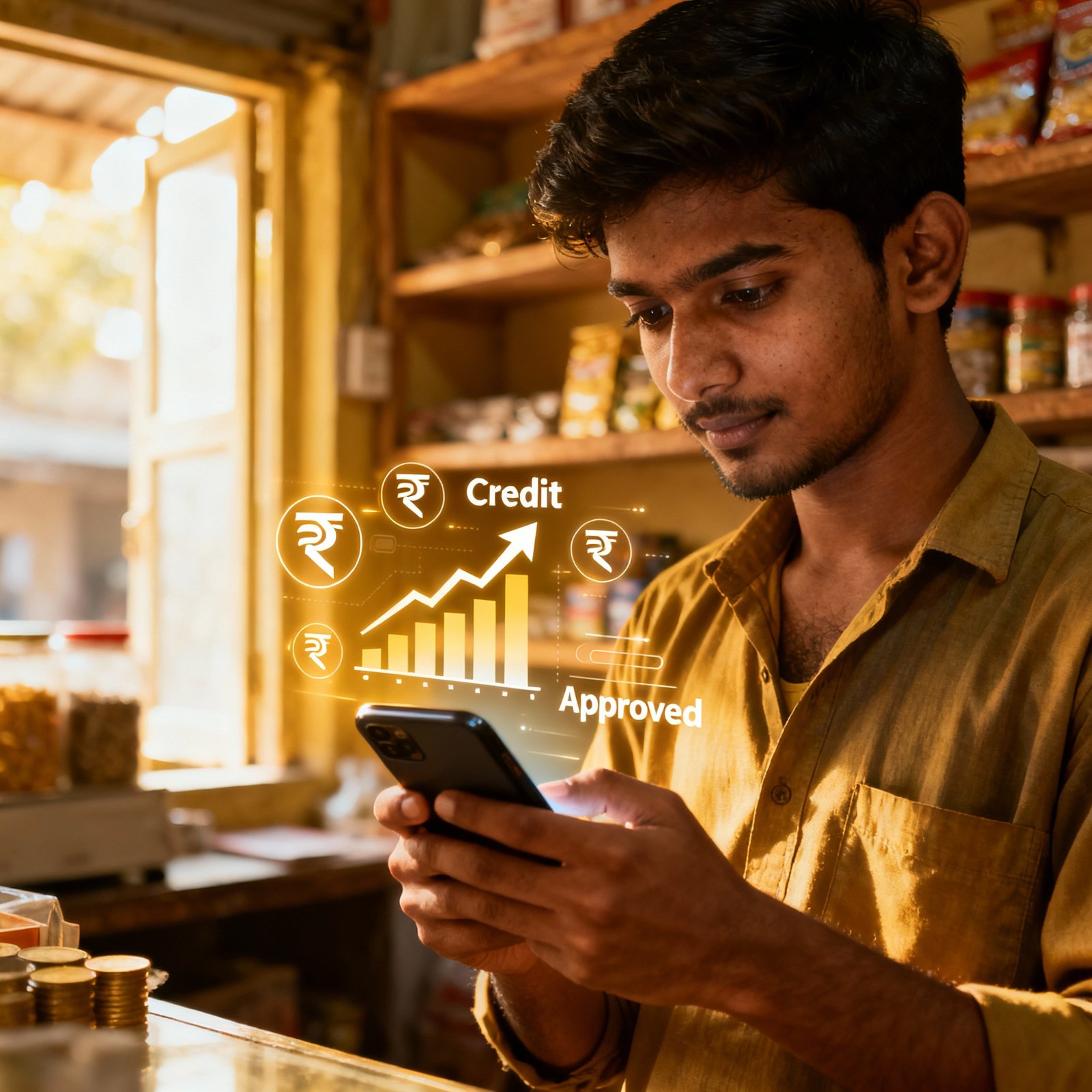
- AI/ML and real-time credit-scoring, which enable underwriting for thin-file customers
- API-driven ecosystems — open banking, merchant platforms, and payment rails (UPI/PGs) that make acquisition and disbursal frictionless
- Lightweight orchestration layers that stitch telemetry from merchants, telco signals, and alternate data into decisioning and personalised journeys
On partnerships: fintechs, local merchant networks (kirana & distributors), payroll platforms and NBFC-friendly marketplaces…
Create an account to continue reading
Create AccountAlready have an account? Sign in
Need an expert in this space?
Talk to an Industry Expert
Knowledge Ridge connects decision-makers with carefully vetted subject matter experts for one-on-one calls, research sprints, and advisory engagements — across 11 sectors and 163 sub-industries globally.
Comments
No comments yet. Be the first to comment!