
How Operators Can Rapidly Expand 5G Coverage
5G adoption is accelerating, driven by devices and demand for high speeds. mmWave bands offer vast spectrum but limited coverage, requiring hyper-dense networks. Integrated access backhauls (IABs) enable rapid, cost-effective deployment.
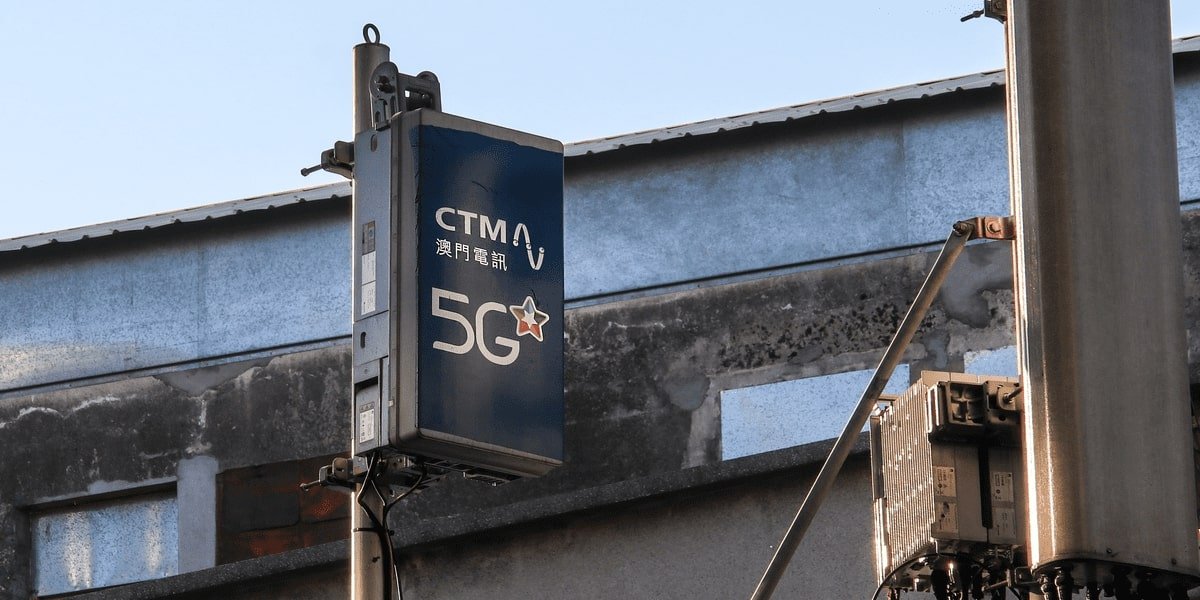
5G is the hottest trend now, so much so that even the Covid-19 pandemic, which has badly ravaged the global economy, could not stop its meteoritic rise. Apple’s announcement to support 5G across its portfolio cemented 5G’s market success. With 5G device shipments expected to grow substantially in 2021, naturally, the industry's focus is on ensuring expanded coverage and delivering on the promise of gigabit speeds and extreme capacity.
However, it is easier said than done, especially for the new mmWave band, which has a smaller coverage footprint. Leading 5G operators such as Verizon and AT&T have gotten a bad rap because of their limited 5G coverage. One technology option is integrated access backhauls (IABs) with self-interference cancellation (SLIC) that enable operators to deploy hyper-dense networks and quickly expand coverage.
mmWave Bands And Network Densification
Undeniably, making mmWave bands viable for mobile communication is one of the biggest innovations of 5G. That has opened a wide swath of spectrum, almost a tenfold increase, for 5G. However, because of their RF characteristics, mmWave bands have a much smaller coverage footprint. According to some studies, mmWave might need seven times the sites or more to provide the same coverage as traditional Sub-6GHz…
Create an account to continue reading
Create AccountAlready have an account? Sign in
Need an expert in this space?
Talk to an Industry Expert
Knowledge Ridge connects decision-makers with carefully vetted subject matter experts for one-on-one calls, research sprints, and advisory engagements — across 11 sectors and 163 sub-industries globally.
Comments
No comments yet. Be the first to comment!