
Heidegger, AI, and Renewable Energy: A Human-Centric Lens
This article explores Heidegger’s philosophy on technology, analyzing its relevance to artificial intelligence and renewable energy, and urges ethical, human-centric advancement to ensure sustainability and societal well-being.
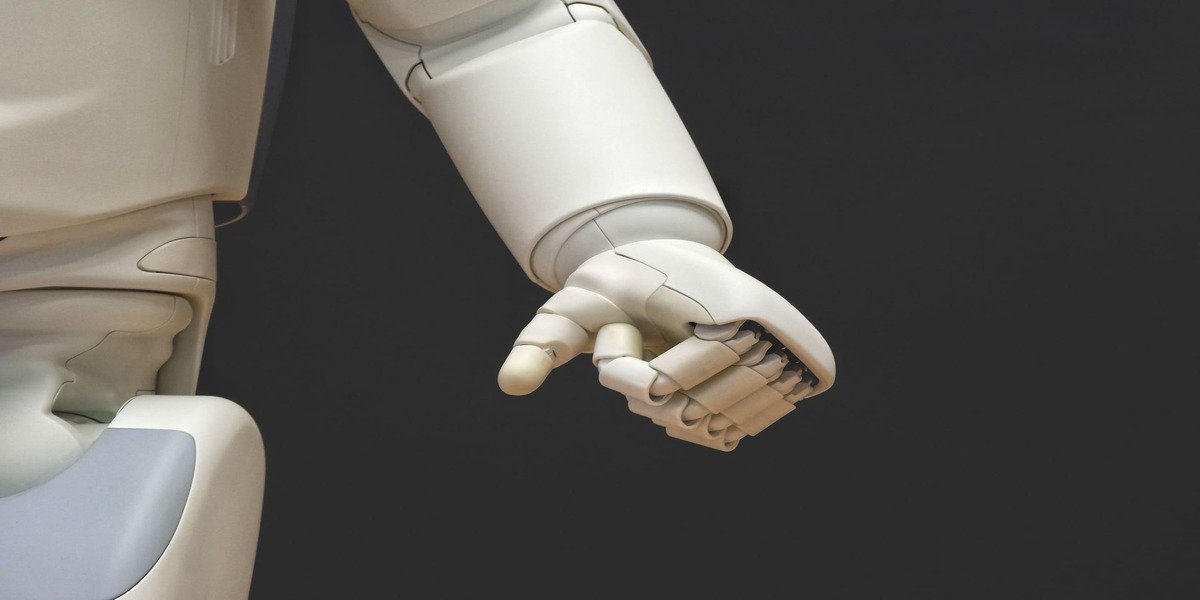
In today’s modern era, technology and human existence are inextricably linked, moulding our everyday activities and influencing our choices. The bonds between humans and technology have been a subject of contemplation for philosophers for a considerable time.
Martín Heidegger, one such notable philosopher, delved into this intricate relationship through a series of pioneering studies. This essay explores how Heidegger’s philosophical perspectives illuminate the interaction between humans and technology, particularly in the contexts of artificial intelligence (AI) and renewable energy.
Heidegger prompts us to reflect on the nature of technology and how we experience it. He takes a functional perspective where technology is seen as a means to an end.
In this view, technology is a tool or instrument, much like a shovel, hammer, or computer, to fulfill our goals. Technology caters to our needs. Alternatively, there’s an anthropological perspective where technology is considered an integral component of human activity.
Artificial Intelligence and Human Existence
Artificial intelligence (AI) signifies a substantial leap in human technology, contesting conventional perceptions of human abilities and intellect. Heidegger’s philosophy provides a lens through which to examine the impact of AI on our existence, unveiling the potential repercussions of this technological enframing.
Heidegger posits that technology,…
Create an account to continue reading
Create AccountAlready have an account? Sign in
Need an expert in this space?
Talk to an Industry Expert
Knowledge Ridge connects decision-makers with carefully vetted subject matter experts for one-on-one calls, research sprints, and advisory engagements — across 11 sectors and 163 sub-industries globally.
Comments
No comments yet. Be the first to comment!