
Graphene Super Battery -Future Of Electric Vehicle
Graphene-coated silicon anodes enhance EV battery performance by improving conductivity and stability, reducing charging time, and extending lifespan—making graphene a promising nanomaterial for cleaner, more sustainable energy storage.
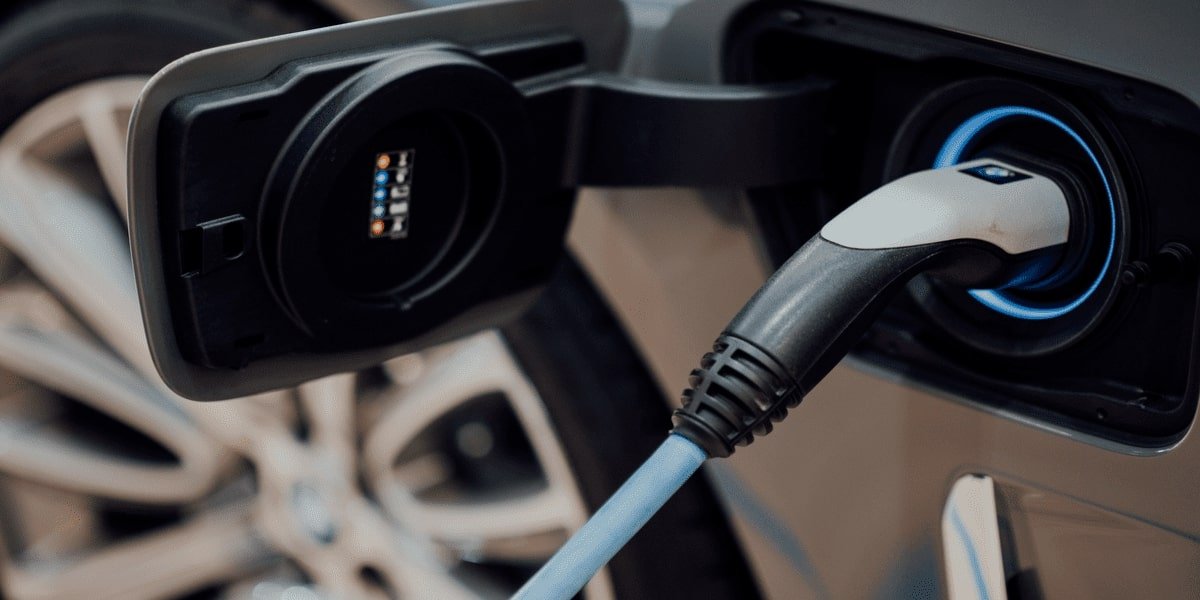
Electric vehicles are emerging as a cleaner alternative to conventional vehicles powered by fossil fuels, but issues like longer Battery charging time have hampered the widespread adoption of these new alternatives.
Over the course of decades, battery makers came to embrace lithium over silicon because it has a high electrical capacity. But lithium has two key problems- Poor Electrical Conductivity and gets physically deformed during discharges. Coating the Lithium Silicon Anode with nanomaterial like graphene solves both these issues. Graphene is highly conductive, allowing electricity to flow, and is rigid as well. So, it helps the lithium keep its shape, prevent dendritic creep, allowing the battery to last longer and have longer lifecycle.
Graphene has Very High Electrical Conductivity, so when you put it in silicon anode, the conductivity really goes up. And graphene has really good mechanical properties, so it doesn’t allow the silicon anode to expand that much so it will not break.
The last 15 to 20 years, basically the whole energy storage community has been doing a lot of work on how to make a good nanocomposite material, how to make this silicon graphene anode have the desired properties Graphene battery Technology are attracting interest beyond…
Create an account to continue reading
Create AccountAlready have an account? Sign in
Need an expert in this space?
Talk to an Industry Expert
Knowledge Ridge connects decision-makers with carefully vetted subject matter experts for one-on-one calls, research sprints, and advisory engagements — across 11 sectors and 163 sub-industries globally.
Comments
No comments yet. Be the first to comment!