
GCC’s Electric Vehicle Surge: Trends & Barriers
This article explores the rapid expansion of the GCC electric vehicle market, highlighting environmental benefits, adoption challenges, government initiatives, local manufacturers, and visionary net-zero targets driving future mobility.
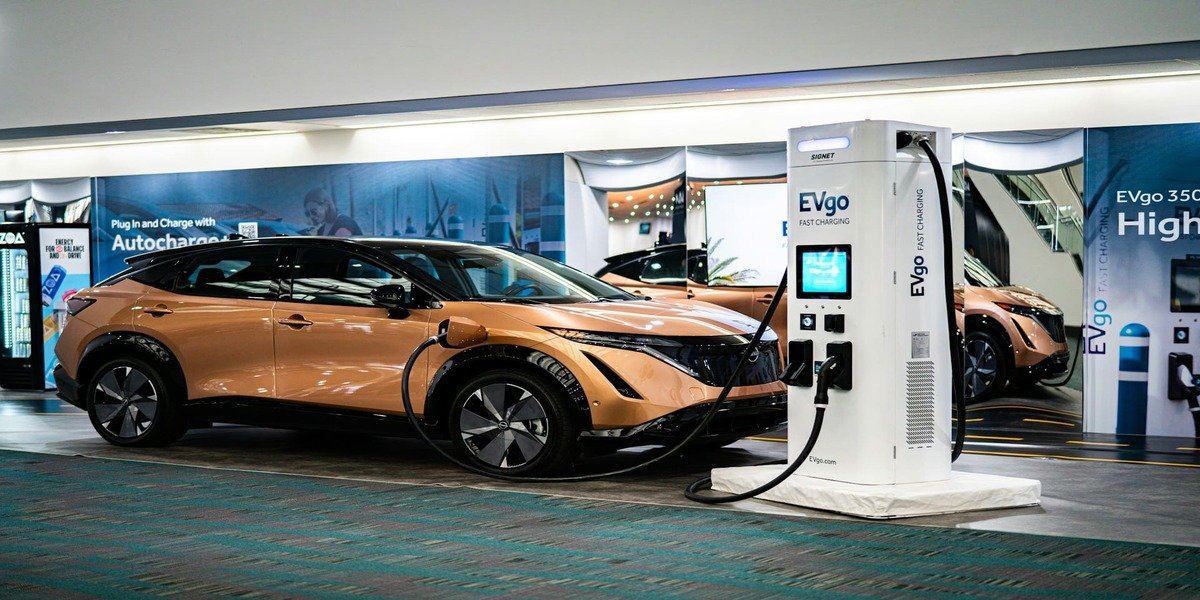
When and if you build an electric vehicle, people will come to use it.
No car is 100% clean. The advent of EV will not change that.
Our point is that if you really have to use a car, an electric car is a better choice for the environment.
It's a big debate these days for:
- Are EVs really zero-emission vehicles?
- Is the process from procurement to production eco-friendly?
Environmental Impact of EV
As we all know, EVs emit nothing from their exhaust gases, resulting in cleaner air.
Also, the fact that EVs produce 15% more emissions during production than gasoline-powered vehicles does not change the fact that they produce less or no CO2 while in use.
EVs have some environmental impact, but their overall contribution to reducing greenhouse gas emissions depends on factors like charging energy sources, manufacturing practices, battery technology and recycling.
As technology advances, the environmental benefits of electric vehicles are expected to grow. If renewable energies are used and can be operated with zero emissions, electric cars will reduce CO2 emissions by a quarter by 2030 and sooner zero-0 for the way forward.
The GCC Electric Vehicle Charging Infrastructure Market, valued at USD 15.41 million…
Create an account to continue reading
Create AccountAlready have an account? Sign in
Need an expert in this space?
Talk to an Industry Expert
Knowledge Ridge connects decision-makers with carefully vetted subject matter experts for one-on-one calls, research sprints, and advisory engagements — across 11 sectors and 163 sub-industries globally.
Comments
No comments yet. Be the first to comment!