
Evolution Of Technology In The Indian Car Industry
From carburetors to AI-powered EVs, India’s car industry has raced through decades of innovation. Discover how safety, connectivity, electric mobility, and shared transport are shaping the future of driving in India—and why you can’t afford to miss it.
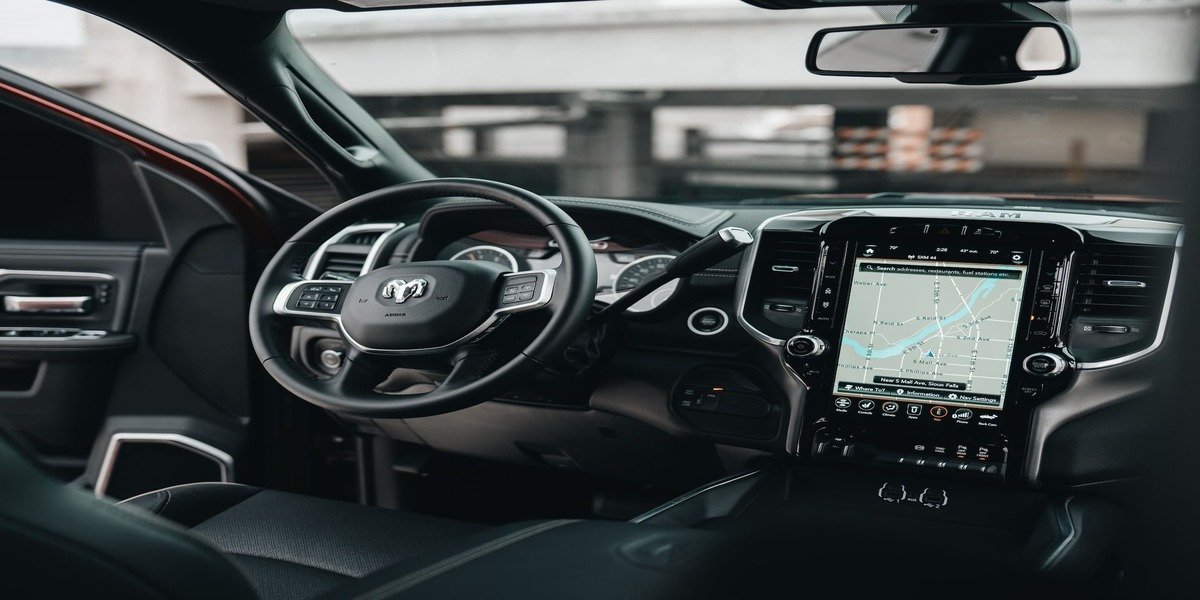
The Indian car industry has undergone significant technological advancements since the 1980s. Here's a timeline highlighting the significant developments:
Developments in Indian Car Industry (1980- 2000s)
In the 1980s, the Indian car industry was dominated by a few manufacturers and the technology was primarily influenced by foreign collaborations and joint ventures.
Cars from this era featured basic mechanical systems with carbureted engines and manual transmissions. Safety features were minimal, and power steering, power windows, and central locking systems were rare.
The 1990s marked the liberalization of the Indian economy, leading to increased competition and foreign investments in the automobile sector.
More international manufacturers entered the Indian market, introducing advanced technologies.
- Fuel injection systems gradually replaced carburetors, improving fuel efficiency and engine performance
- Introduction of Multi-Point Fuel Injection (MPFI) systems further enhanced engine efficiency and power delivery
- Power steering became more common, making driving easier, especially in congested urban areas
- Basic safety features such as seat belts, improved braking systems, and collapsible steering columns were introduced - not as standard across all models.
The 2000s witnessed a significant shift in the Indian car industry.
- Increased disposable income, changing consumer preferences, and technological advancements led to a wider range of car models…
Create an account to continue reading
Create AccountAlready have an account? Sign in
Need an expert in this space?
Talk to an Industry Expert
Knowledge Ridge connects decision-makers with carefully vetted subject matter experts for one-on-one calls, research sprints, and advisory engagements — across 11 sectors and 163 sub-industries globally.
Comments
No comments yet. Be the first to comment!