
The Emergence Of Genetic Engineering In Agriculture
From boosting harvests to fighting droughts, genetic engineering is reshaping the future of farming. But can science truly feed the world—or are we rewriting nature’s rules? Explore the promise, risks, and debate behind genetically modified crops in this insightful read.
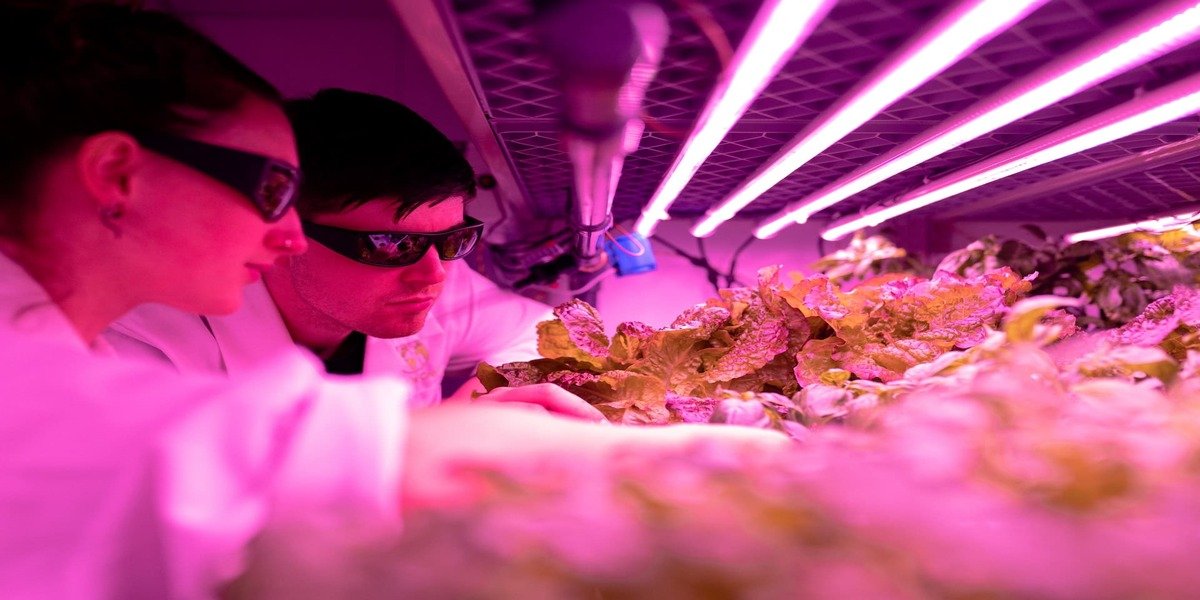
Genetic engineering in agriculture refers to altering the genetic makeup of plants, animals, or microorganisms to produce desirable traits. This is done by introducing, removing, or modifying specific genes in their DNA. The resulting organisms are commonly referred to as genetically modified (GM) or genetically engineered (GE) crops, animals, or microorganisms. Genetic engineering in agriculture aims to increase crop yield, improve disease resistance, enhance nutritional value, and reduce the use of pesticides.
Most Popular Genetically Modified Crops
The most popular genetically modified (GM) crops are:
Soybean
GM soybeans are widely grown and are used for food, feed, and industrial products such as biodiesel.
Corn
GM corn is used for food, feed, and industrial products, including biofuels and chemicals.
Cotton
GM cotton is widely grown for fiber, oil, and food.
Canola
GM canola is used for food, feed, and industrial products, such as biodiesel.
Sugar Beet
GM sugar beets are used for sugar production.
Regulations and Acceptance of Genetically Modified Organisms
The regulation and acceptance of genetically modified (GM) foods vary between countries. While some countries have embraced GM technology and allowed the cultivation and sale of GM crops, others have placed restrictions on their use or banned them altogether.
Countries…
Create an account to continue reading
Create AccountAlready have an account? Sign in
Need an expert in this space?
Talk to an Industry Expert
Knowledge Ridge connects decision-makers with carefully vetted subject matter experts for one-on-one calls, research sprints, and advisory engagements — across 11 sectors and 163 sub-industries globally.
Comments
No comments yet. Be the first to comment!