
Chemical-free Bacteria Disinfection In The Food Industry
Chlorine’s era in food disinfection may be ending. Discover how plasma-activated water offers a cleaner, chemical-free solution to eliminate bacteria and pesticides—safely, sustainably, and effectively.
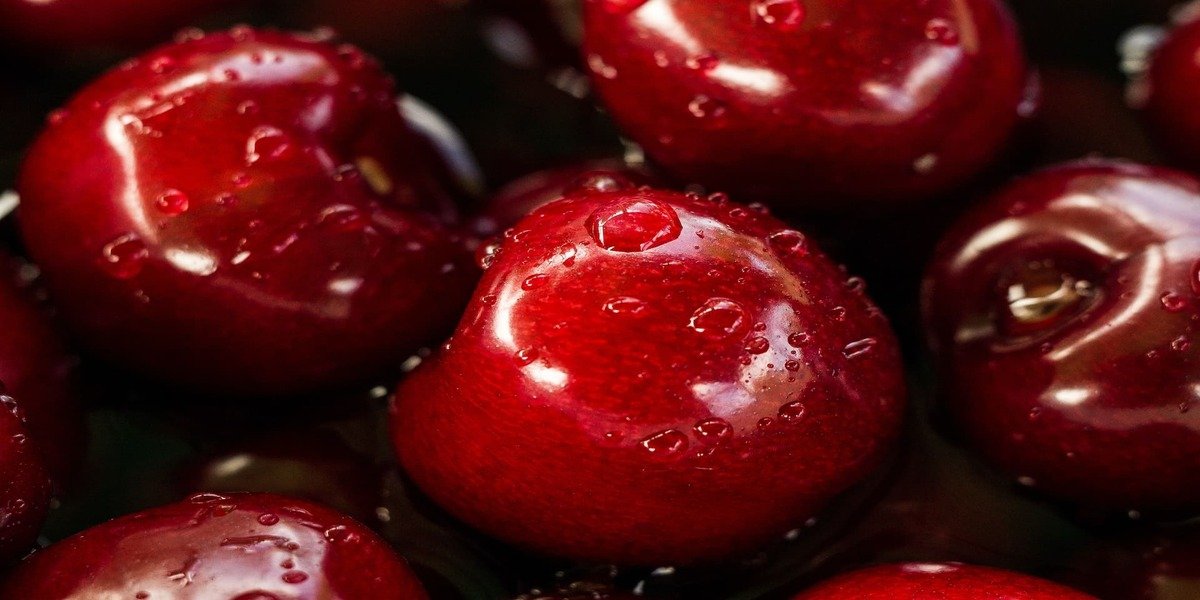
For several decades, chlorine has been used to wash meat and vegetable to reduce microorganisms and pesticides, even though chlorine has some disadvantages.
Its limited effect in destroying microorganisms on the surface of fresh produce means that a high dosage of chlorine is often used, with the little added benefit and often leaving a residue on the produce consumed by customers.
The non-thermal disinfection technology has various techniques, e.g., UV, ozone, and plasma. These are considered clean technology, which leaves no harm to the human body.
What is plasma?
Plasma is the fourth state of matter that comes from gas ionization, which will generate ions and electrons from this process. The ion with charge is the most powerful matter that can be activated with other substances.
Uses of Plasma Water
The plasma can be used in many ways, e.g., plasma gas, plasma water, and plasma-activated water (PAW). The different functions will depend on the process of use in the industry.
Characteristics of PAW
- The food and agricultural industry require low operations costs and large volumes, so the PAW is the most suitable technique. The PAW can be made from the ionization reactions that generate Reactive Oxygen Species (ROS) and Reactive…
Create an account to continue reading
Create AccountAlready have an account? Sign in
Need an expert in this space?
Talk to an Industry Expert
Knowledge Ridge connects decision-makers with carefully vetted subject matter experts for one-on-one calls, research sprints, and advisory engagements — across 11 sectors and 163 sub-industries globally.
Comments
No comments yet. Be the first to comment!