
Trends In Cashless Payments And Implications For Central Europe Environments
From simple card readers to Android-powered SmartPOS systems, payment terminals are transforming commerce. Discover how these devices are reshaping retail, logistics, and hospitality—and why Europe’s local card schemes must evolve to keep up. Read how payments go smart.
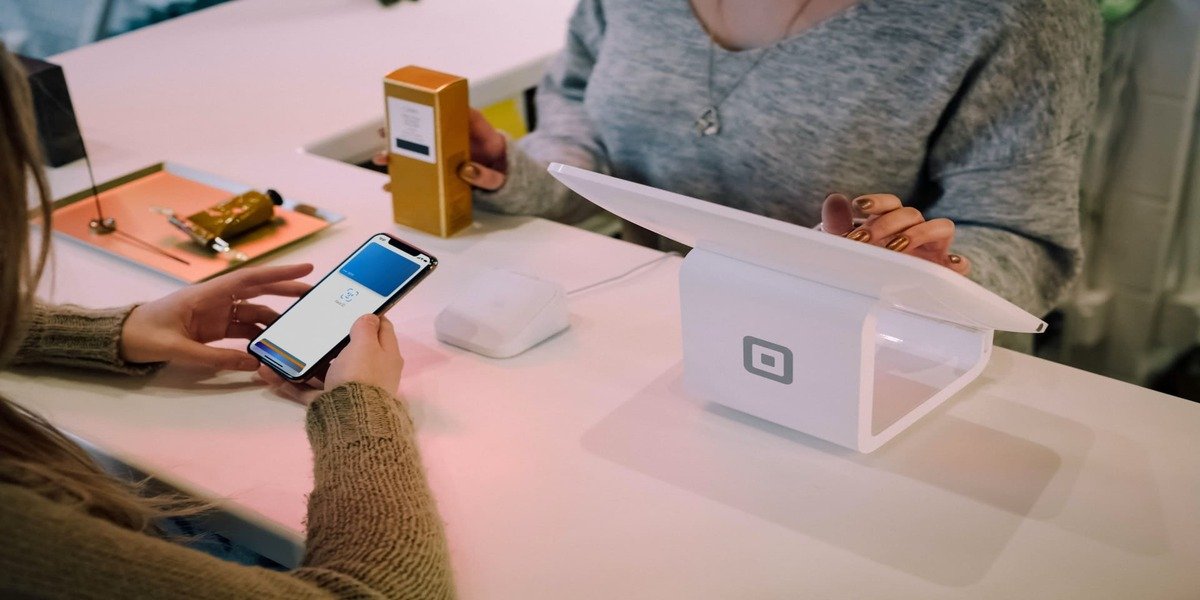
For ages, payment terminals were built and used for their original purpose, to accept and process card payments in the most secure way and not to corrupt the bank system.
Besides increases in security routines, usages increased, e.g., with the use of NFC or alternative payment methods, which could still be handled via the proprietary OS.
SmartPOS Devices
Meanwhile – in the age of mobiles and IoT – HW got more standardized and SW. In a hardened and secure compilation, East Android is rising as OS for payment terminals and is opening up the usage of terminals for further purposes besides payments. The advantages of those SmartPOS devices, e.g., for delivery, logistics, and hospitality, are nearly disruptive to older environments.
Certifications of global but even more local schemes across Europe (e.g., giro card/DE or Cartes Bancaires/FR) are specific, grew complex over time, and consume tremendous time and money to pass.
At the same time life cycles of the new terminals or SmartPOS become shorter as developments in HW and OS such as Android are bound to usually not regulated markets. This disharmony in timing windows may lead to a shorter availability of new-age terminals and hinders its acceptance in Central…
Create an account to continue reading
Create AccountAlready have an account? Sign in
Need an expert in this space?
Talk to an Industry Expert
Knowledge Ridge connects decision-makers with carefully vetted subject matter experts for one-on-one calls, research sprints, and advisory engagements — across 11 sectors and 163 sub-industries globally.
Comments
No comments yet. Be the first to comment!