
ATRA & ATO in Acute Promyelocytic Leukemia
Acute promyelocytic leukaemia (APL), once highly fatal, is now the most curable acute leukaemia. Targeted therapy with ATRA and arsenic trioxide replaces toxic chemotherapy, inducing cell differentiation and achieving over 90% survival with minimal side effects.
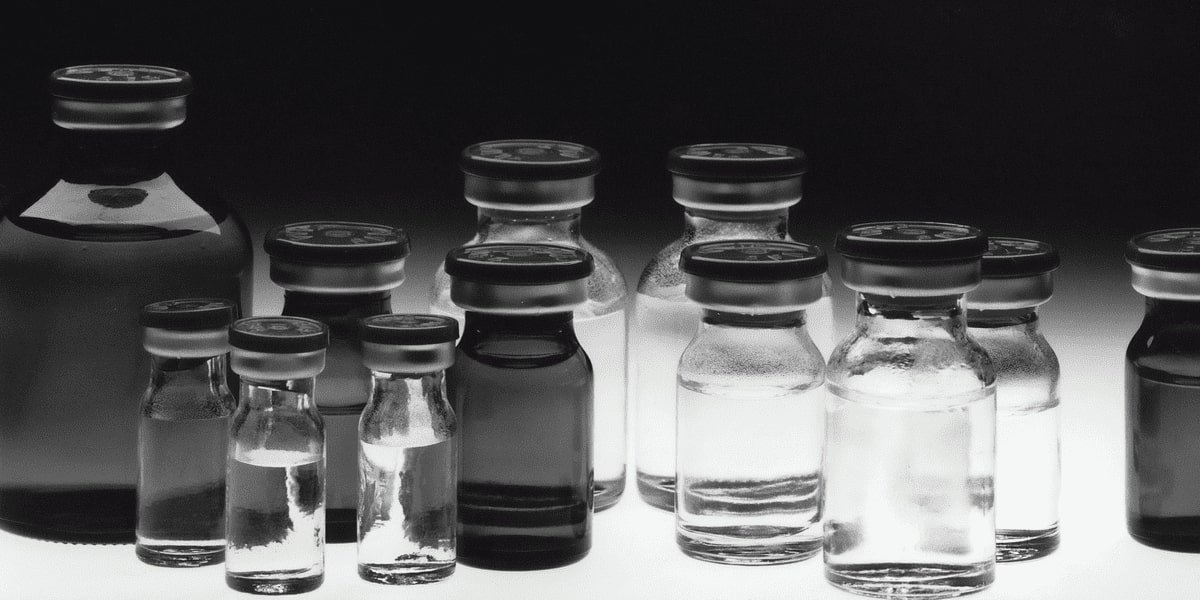
Acute Promyelocytic Leukaemia, vitamin A acid (ATRA) and Arsenic (ATO)
Acute leukaemias are the most aggressive (fast dividing cancer cells) forms of human cancers which makes them life-threatening with high mortality rate but on the other hand, very susceptible to cytotoxic chemotherapy with curative intent.
Acute promyelocytic leukaemia (APL) was once considered the most malignant human leukemia as well as the one associated with the worst prognosis but has been transformed in the past few decades into the most curable leukemia with the best prognosis.
Cytotoxic chemotherapy always has been the standard-of-care for acute leukaemia and for most subtypes it still is. It’s very effective but causes a lot of collateral damage because it also kills normal cells in the body and has got some unique organ toxicities like hair loss, mucositis (sore mouth and gut), hand-foot syndrome, nausea and vomiting, diarrhoea, bone marrow suppression, lung, heart and nerve toxicity to name a few.
However, this millennium has brought us many types of targeted therapy (mainly small molecules and antibodies), which are not cytotoxic (non-chemo) and have got much fewer side-effects mentioned above.
The paradigm of targeted (small molecule) therapy is imatinib for chronic myeloid leukaemia (CML) with more than…
Create an account to continue reading
Create AccountAlready have an account? Sign in
Need an expert in this space?
Talk to an Industry Expert
Knowledge Ridge connects decision-makers with carefully vetted subject matter experts for one-on-one calls, research sprints, and advisory engagements — across 11 sectors and 163 sub-industries globally.
Comments
No comments yet. Be the first to comment!