
Accessibility And Scalability Of Gene Therapy
This article explores the evolving gene therapy industry, highlighting accessibility, cost, scalability, and innovation challenges, while examining collaborative solutions and advancements shaping the future of these transformative medicines.
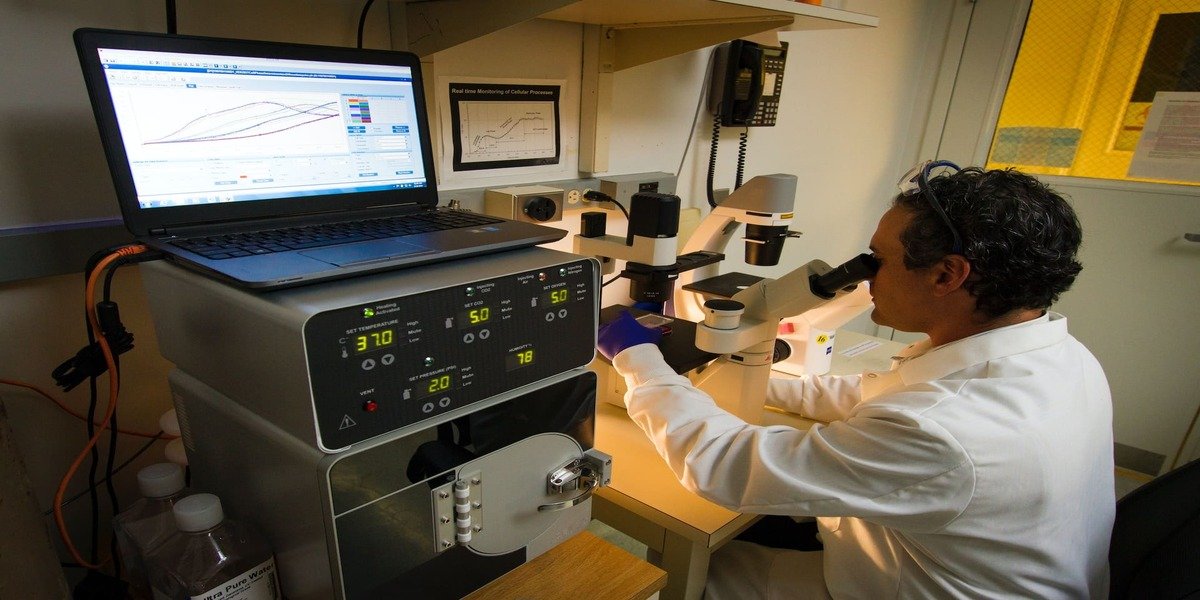
From my perspective, I see an industry going through rapid change as gene therapy moves from a proof of concept to more mainstream products, hoping to release the full potential of these life-changing medicines.
Challenges in Gene Therapy
To me, the key issue is the accessibility of these medicines to address wider disease areas and broader populations, which will need to achieve significant improvements in the levels of productivity and the scale of production of vectors and plasmid DNA, alongside this there is also a need to reduce doses through improved vector design.
Addressing These Challenges
There is a significant need for innovation to achieve these goals, building on the existing knowledge in bioprocessing. To achieve this, there is a need for collaboration between product developers, manufacturers, and suppliers to develop the needed solutions.
Frequently Asked Questions
1. What is gene therapy, and why is it considered a rapidly changing industry?
Gene therapy is a medical approach that involves modifying a person's genes to treat or prevent diseases. It typically involves introducing new genetic material into targeted cells to correct or replace a faulty gene.
Gene therapy is considered a rapidly changing industry due to advancements in scientific knowledge, technology,…
Create an account to continue reading
Create AccountAlready have an account? Sign in
Need an expert in this space?
Talk to an Industry Expert
Knowledge Ridge connects decision-makers with carefully vetted subject matter experts for one-on-one calls, research sprints, and advisory engagements — across 11 sectors and 163 sub-industries globally.
Comments
No comments yet. Be the first to comment!